


Alpha - Espresso Blend


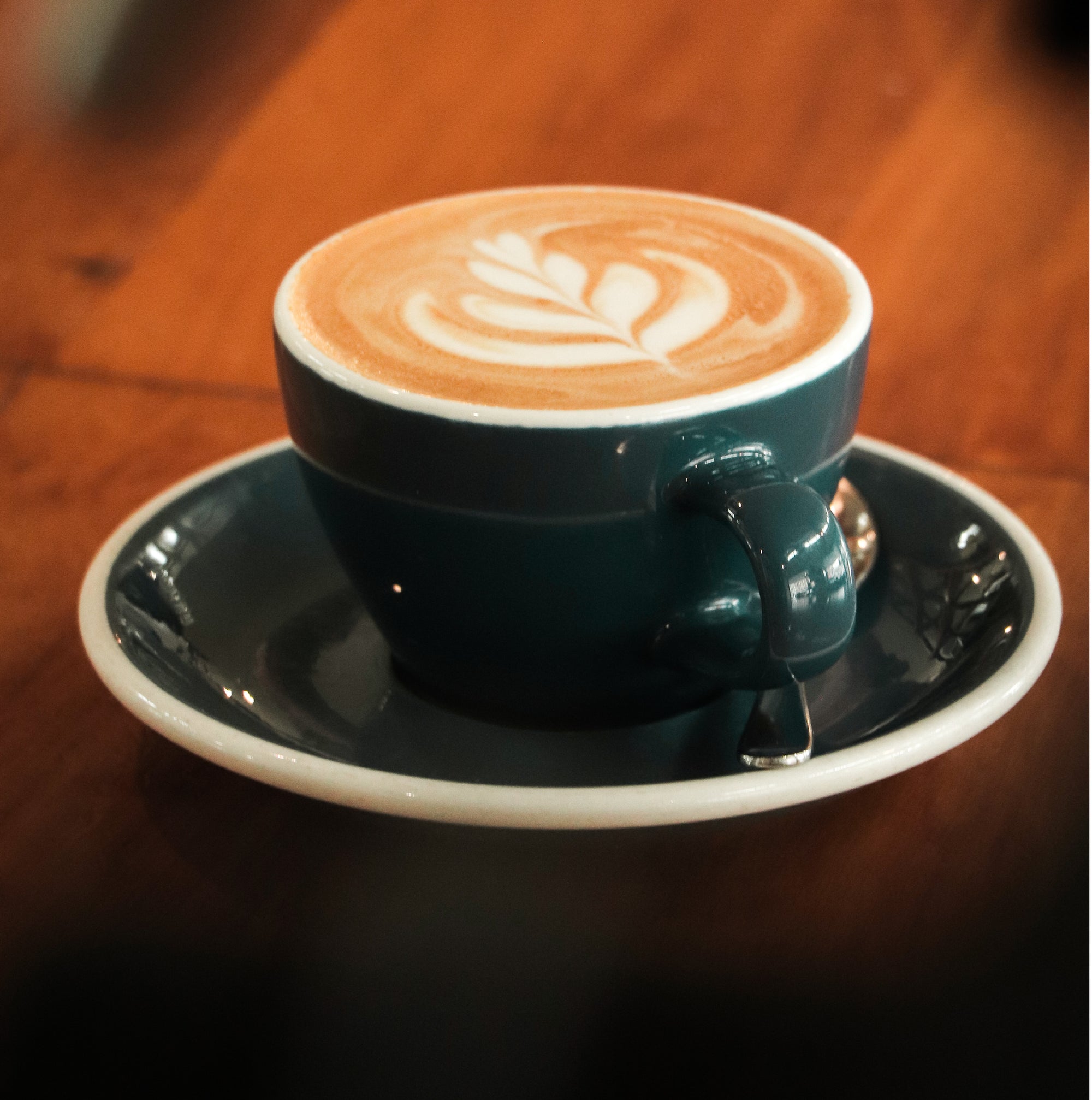
Designed to bridge traditional espresso and modern specialty, it’s approachable yet layered, familiar yet refined. Built for consistency, clarity, and versatility, Alpha performs seamlessly across both milk and black, without sacrificing character.
As our main blend, it reflects what Vanguard is about: setting the standard for balance, clarity, and progress in specialty coffee


PRODUCERS - Jairo Arcila, Gabriel De Carvalho, El Indio
ORIGINS - Colombia and Brazil
VARIETALS - Mixed
PROCESSING METHOD - Washed, Natural and Fermented Natural
TASTING NOTES - Orange, Strawberry, Toffee, Chocolate

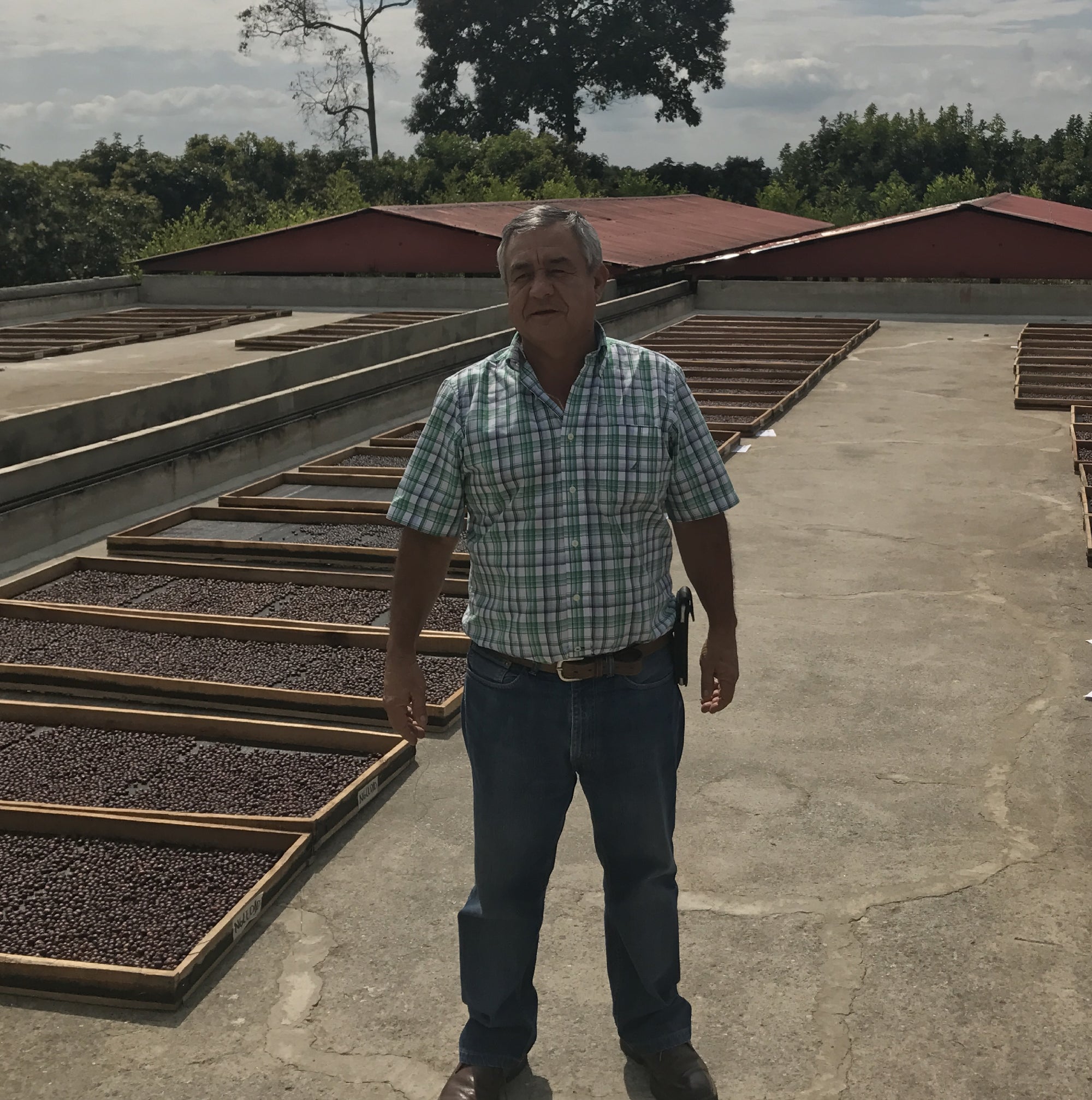
JAIRO ARCILA
Jairo Arcila is a third-generation coffee grower from Quindio, Colombia. He is married to Luz Helena Salazar and they have two children together, Carlos and Felipe Arcila, who are the co-founders of Cofinet.
Jairo’s first job was at Colombia’s second-largest exporter, working as their Mill Manager for over 40 years until his retirement in 2019.
Jairo bought his first coffee farm, Finca La Esmeralda, in 1987 and this is where he planted his first Caturra lot. He was fortunate enough to earn money by producing coffee on his farm in addition to working full time. Using his savings, Jairo slowly managed to purchase five additional farms. After Esmeralda came Villarazo, Mazatlan, Santa Monica, Maracay and then Buenos Aires.
Now, during the harvest period, Jairo can provide
jobs to the locals generating an economic impact in the
community. He received great insight and expertise from his sons’ in the picking, sorting, and processing of his coffees. This insight has empowered Jairo and given him the tools needed to showcase fantastic coffees with amazing profiles from the region.

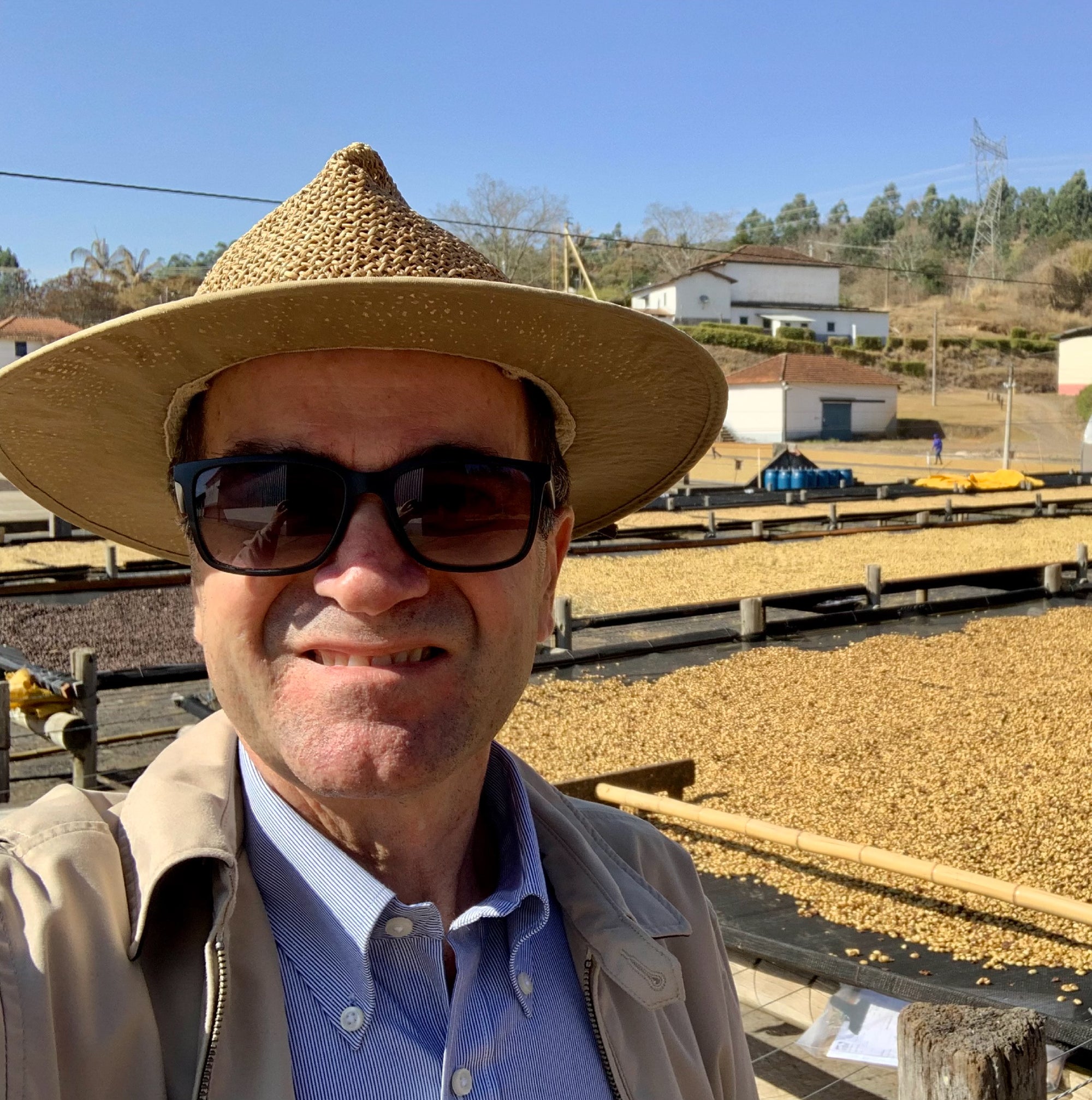
Fazenda Cachoeira da Grama has been in the Carvalho Dias family since 1890. Gabriel de Carvalho Dias, son of the owner, Lindolpho de Carvalho Dias, was responsible for managing the property since 2016.
This Arara lot was hand-picked, with cloth placed on the
ground to prevent the beans from coming into direct contact with the soil. Once harvested, the coffee cherries are dried on raised beds and covered patios until they reach 20% moisture content. They are then transferred to mechanical dryers to reduce the moisture level to 11%. Finally, the coffee is stored in a temperature and humidity controlled warehouse to preserve its quality

WASHED PROCESS
After the coffee cherries have been picked, the cherries are depulped (skin removed) or demucilaged (skin and pulp removed).
The coffees are typically then held in “fermentation tanks” for 12–72 hours, allowing for a gentle controlled fermentation to cause any remaining pulp to separate from the beans. Fermentation may occur from the moment of harvest until the seeds reach an inhospitable moisture content for them (11% moisture)
The beans are finally dried for up to 15 days on patios, raised beds, or in parabolic dryers until the ideal moisture content is reached.
Typically washed coffees have clean, articulate flavours; caramel or sugary sweetness; a wide spectrum of fruit acidity depending on other factors; capable of bright, crisp notes.

NATURAL PROCESS
The ripe coffee cherries are hand picked and allowed to dry completely around the seed before being husked or hulled off. While historically this hulling was done by hand with a kind of mortar-and-pestle setup, today it’s done by machinery that can be finely calibrated.
While the coffee is drying the sugars are continually fermenting inside the cherry while there is enough moisture to feed the microorganisms. This can take up to 30 days on average.
Due to the long fermentations, natural processed coffees often display fruity or “pulpy” flavours, often described as “boozy” or “winey”; can also have strong nutty and/or chocolate characteristics, and typically has a heavier or syrupy body

Espresso Recipe
Dose: 20 g
Yield: 40–44 g
Time: 26–30 seconds
Temperature: 93–94 °C

This recipe is set to balance sweetness and structure while keeping the acidity present but controlled. The slightly broader ratio (1:2 to 1:2.2) allows for fuller extraction, bringing out caramelised sugars and soft chocolate without muting the coffee’s natural vibrancy.

Shots should flow evenly with a steady, syrupy stream — not too fast, not overly restricted — finishing with a clean, lightly lifted acidity and a rounded body.

For milk drinks:
Run a slightly longer yield — 20 g in → 42–46 g out — to increase solubility and sweetness. This helps the espresso integrate more seamlessly with milk, giving a fuller, more cohesive cup without losing definition.

Dial-in tip:
If the shot tastes sharp or underdeveloped, extend the yield slightly or allow a touch more time. If it feels flat or heavy, shorten the ratio or grind finer to restore clarity and structure

Pickup available at The Roastery

Usually ready in 24 hours

Adding to Cart Added to Cart